 Chat with us





Most Popular Products

 Send Inquiry
SODIUM HYDROXIDE PELLETS
MOQ : 25 Kilograms
SODIUM HYDROXIDE PELLETS Specification
- EINECS No
- 215-185-5
- Shelf Life
- Stable indefinitely if properly stored
- Solubility
- Highly soluble in water
- Ingredients
- Sodium hydroxide (NaOH)
- Appearance
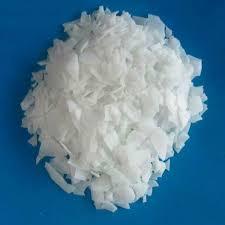
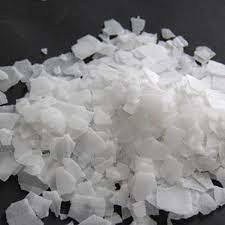
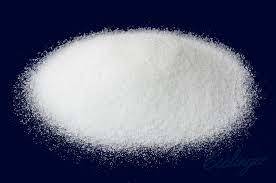
- White solid pellets
- Melting Point
- 318C (604F)
- HS Code
- 28151200
- Purity
- Typically >99%
- Ph Level
- ~14 (1% aqueous solution)
- Product Type
- Chemical
- Storage
- Store in tightly closed container, dry, cool, well-ventilated place, away from acids
- Shape
- Round or irregular pellets
- Refractive Rate
- No refractive index in solid state
- Density
- 2.13 Gram per cubic centimeter(g/cm3)
- Molecular Weight
- 39.997 g/mol
- Molecular Formula
- NaOH
- Properties
- Highly caustic, absorbs moisture from air, reacts exothermically with water, strong base
- Smell
- Odorless
- Poisonous
- Yes, corrosive and toxic
- Application
- Water treatment, cleaning agent, chemical manufacturing, laboratory use
- CAS No
- 1310-73-2
- Physical Form
- Pellets
- Taste
- Caustic, not for tasting
- Usage
- Used in preparation of soaps, detergents, paper, textiles, petroleum refining, and as a laboratory reagent
- Structural Formula
- NaOH
- Grade
- Analytical grade, technical grade, industrial grade
- Disposal
- Neutralize with dilute acid, follow local regulations
- Hazard Class
- Corrosive (Class 8)
- Packaging Information
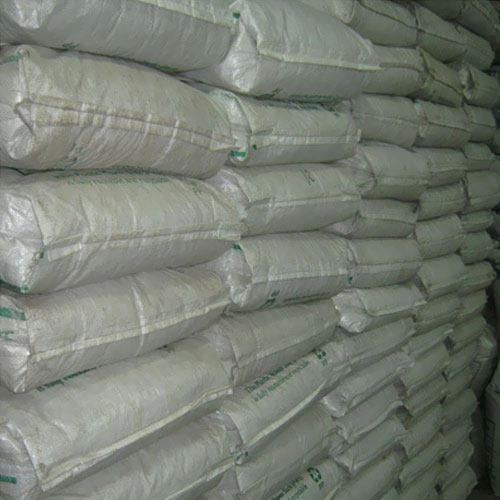
- HDPE drums, bags, containers
- First Aid Measures
- Flush with water, seek immediate medical attention for skin/eye contact or ingestion
- Manufacturing Process
- Electrolysis of sodium chloride solution
- Safety Precautions
- Wear protective gloves, goggles, clothing; avoid inhalation and contact
- Compatibility
- Incompatible with acids, metals, organic materials
- Transport Information
- Transport as corrosive solid, follow ADR, IMDG, IATA guidelines
- Risk Statements
- Causes severe burns, harmful if swallowed
- Flash Point
- Non-flammable
- UN Number
- 1823
- Boiling Point
- 1388C
SODIUM HYDROXIDE PELLETS Trade Information
- Minimum Order Quantity
- 25 Kilograms
- Supply Ability
- 25 Kilograms Per Day
- Delivery Time
- 1 Days
About SODIUM HYDROXIDE PELLETS
We are a renowned name that deals in supplying and exporting SODIUM HYDROXIDE PELLETS with a chemical formula of NaOH. It physically appears as a white solid carrying sodium cation and hydroxide anion. The offered ionic compound is hygroscopic in nature to readily absorb moisture and shows excellent solubility in water. It is commonly used in industrial sectors such as textiles, paper manufacturing, detergent making, water treatment, and more. SODIUM HYDROXIDE PELLETS show incompatibility with organic halogens, flammable liquids, acids, tin, zinc, aluminum, and nitromethane. Buy from us this compound in the form of small pellets as per your requirements.
Powerful Cleaning and Industrial Agent
Sodium hydroxide pellets are employed in the production of soaps, detergents, and paper, as well as in water treatment, textile processing, and petroleum refining. Their high purity and strong alkalinity make them reliable for chemical manufacturing and as a reagent in laboratories. By efficiently removing organic and inorganic residues, they enhance purification and sanitation in various industries.
Safe Handling and Storage Practices
Proper handling of sodium hydroxide pellets is crucial due to their corrosive and toxic properties. Personal protective equipment-gloves, goggles, and clothing-is essential for safety. These pellets should be stored in tightly closed HDPE containers within a cool, dry, and well-ventilated area, away from acids and metals, to maintain stability and prevent hazardous reactions.
Compliance and Transportation Norms
Transporting sodium hydroxide requires adherence to international regulations including ADR, IMDG, and IATA guidelines, as it is classified as a Class 8 corrosive solid (UN 1823). Proper labeling, compatible packaging, and documentation ensure safety in transit. These procedures are vital for exporters, importers, suppliers, and traders operating within and outside India.
FAQ's of SODIUM HYDROXIDE PELLETS:
Q: How should sodium hydroxide pellets be safely handled and what precautions are necessary?
A: Sodium hydroxide pellets must be handled with protective gloves, goggles, and resistant clothing. Ensure good ventilation, avoid inhalation or direct skin/eye contact, and never mix with acids or incompatible substances. In case of contact, flush the affected area immediately with water and seek medical attention.Q: What is the primary manufacturing process for sodium hydroxide pellets?
A: Sodium hydroxide pellets are manufactured using the electrolysis of a sodium chloride (salt) solution. This process yields high-purity NaOH suitable for analytical, technical, and industrial applications.Q: When and where should sodium hydroxide pellets be used?
A: Use sodium hydroxide pellets in controlled environments such as chemical plants, laboratories, and industrial settings for applications like soap production, water treatment, cleaning agents, and chemical synthesis. Always operate in compliance with safety and environmental regulations.Q: What are the benefits of using sodium hydroxide pellets in industrial processes?
A: Sodium hydroxide pellets offer high purity, strong alkalinity, and reliable performance, supporting efficient cleaning, neutralization, and manufacturing processes across multiple industries. Their solid form ensures easier handling, measurement, and storage compared to liquids.Q: How should sodium hydroxide pellets be disposed of after use?
A: After use, sodium hydroxide pellets should be neutralized with a dilute acid under controlled conditions and disposed of according to local environmental regulations. Proper neutralization ensures safety and minimizes environmental impact.Q: What are the main risks associated with sodium hydroxide pellets, and what first aid measures should be taken?
A: Sodium hydroxide pellets are corrosive and toxic, causing severe burns and tissue damage upon contact or ingestion. In case of exposure, rinse the affected area with plenty of water and seek immediate medical attention for skin, eye, or ingestion incidents.Q: Where should sodium hydroxide pellets be stored to maintain their shelf life and effectiveness?
A: Store sodium hydroxide pellets in tightly sealed HDPE drums or containers in a cool, dry, and well-ventilated location, away from acids, metals, and organic materials. Proper storage ensures indefinite product stability and safety.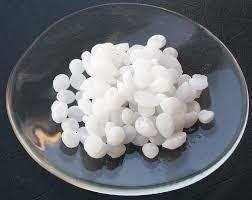
Tell us about your requirement

Price:
Quantity
Select Unit
- 50
- 100
- 200
- 250
- 500
- 1000+
Additional detail
Mobile number
Email

More Products in Pharmaceutical Excipients Category
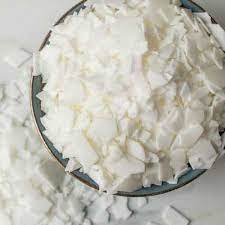
GLYCERYL STEARATE AND PEG 100 STEARATE
Price Range 50.00 - 300.00 INR / Kilograms
Minimum Order Quantity : 25 Kilograms
Storage : Other, Store in a cool, dry place away from direct sunlight
Shape : other, Flakes or powder
Product Type : Emulsifier / Surfactant
Ph Level : Neutral (pH 6.0 8.0 in aqueous solution)
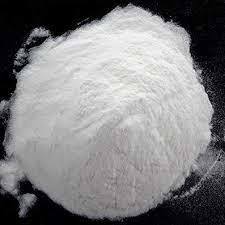
SODIUM STARCH GLUCONATE IP/BP/USP
Price Range 50.00 - 300.00 INR / Kilograms
Minimum Order Quantity : 25 Kilograms
Storage : Other, Store in a cool, dry place, in tightly closed containers
Shape : other, Amorphous
Product Type : Pharmaceutical Excipient
Ph Level : 5.5 7.5 (1% solution)

Quick Inquiry



Contact Details
RDR PHARMACHEM PRIVATE LIMITED
GST : 27AALCR5725M1ZR
GST : 27AALCR5725M1ZR
A-307, Rustomjee Central Park, Andheri Kurla Road, Andheri East,Mumbai - 400093, Maharashtra, India
Phone :08045803314
 Send Inquiry
 |
RDR PHARMACHEM PRIVATE LIMITED
All Rights Reserved.(Terms of Use) Developed and Managed by Infocom Network Private Limited. |
